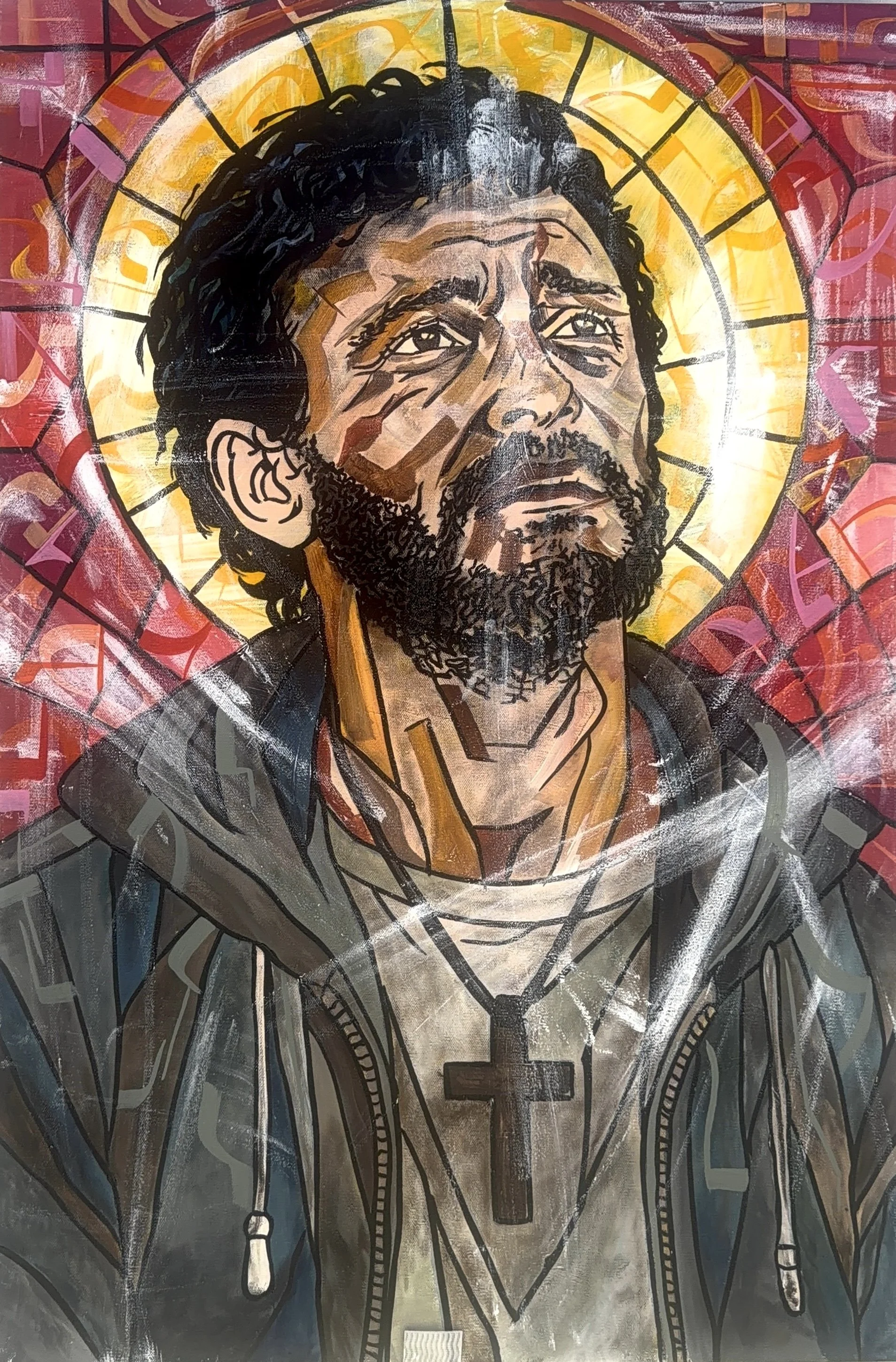
SAINT DISMAS THE THIEF
PATRON OF CONDEMNED PRISONERS
Mercy at the End
Saint Dismas is the name tradition gives to the repentant criminal crucified beside Jesus. Luke’s Gospel does not describe his crimes or the life that preceded his execution. It records a dying man acknowledging his guilt, defending Jesus’s innocence, and asking to be remembered in His kingdom. Jesus promised him paradise that very day. Dismas would not come down from the cross to build a different reputation or demonstrate years of changed behavior. He turned toward Christ with the life he had actually lived.
The Time I Assume I Have
I have postponed things I already knew I needed to do, trusting that a more convenient version of my life would eventually arrive. I will make the call when I know what to say, address the problem when work settles down, or become more present when there is less demanding my attention. Meanwhile, I give myself credit for what I intend to do. I can spend years imagining the person I will become while making choices that keep him safely in the future. My intentions cost me very little as long as I never require them to become actions.

When Shame Becomes an Excuse
I can become so occupied with regretting my past that I neglect what is still possible today. Repeating that I should have known better feels serious, but it can leave me doing nothing beyond watching myself suffer. Sometimes I would rather declare something ruined than risk the small, imperfect effort of beginning again. I do not get to recover every opportunity or repair every consequence. I still have to answer for what I do with the time that remains, including whether I use my guilt to avoid the vulnerability of asking for help.
The Record I Want Considered
When I am ashamed of something I have done, I start remembering everything good I have done as well. I want the hours I gave, the people I helped, and the sacrifices I made entered into the account. Those things matter, but I know when I am using them to avoid standing honestly before a particular failure. I can even approach God with that calculation, hoping the good will spare me from naming what I regret. I want to be received, yet I keep arriving with evidence of why I should qualify.
Remember Me
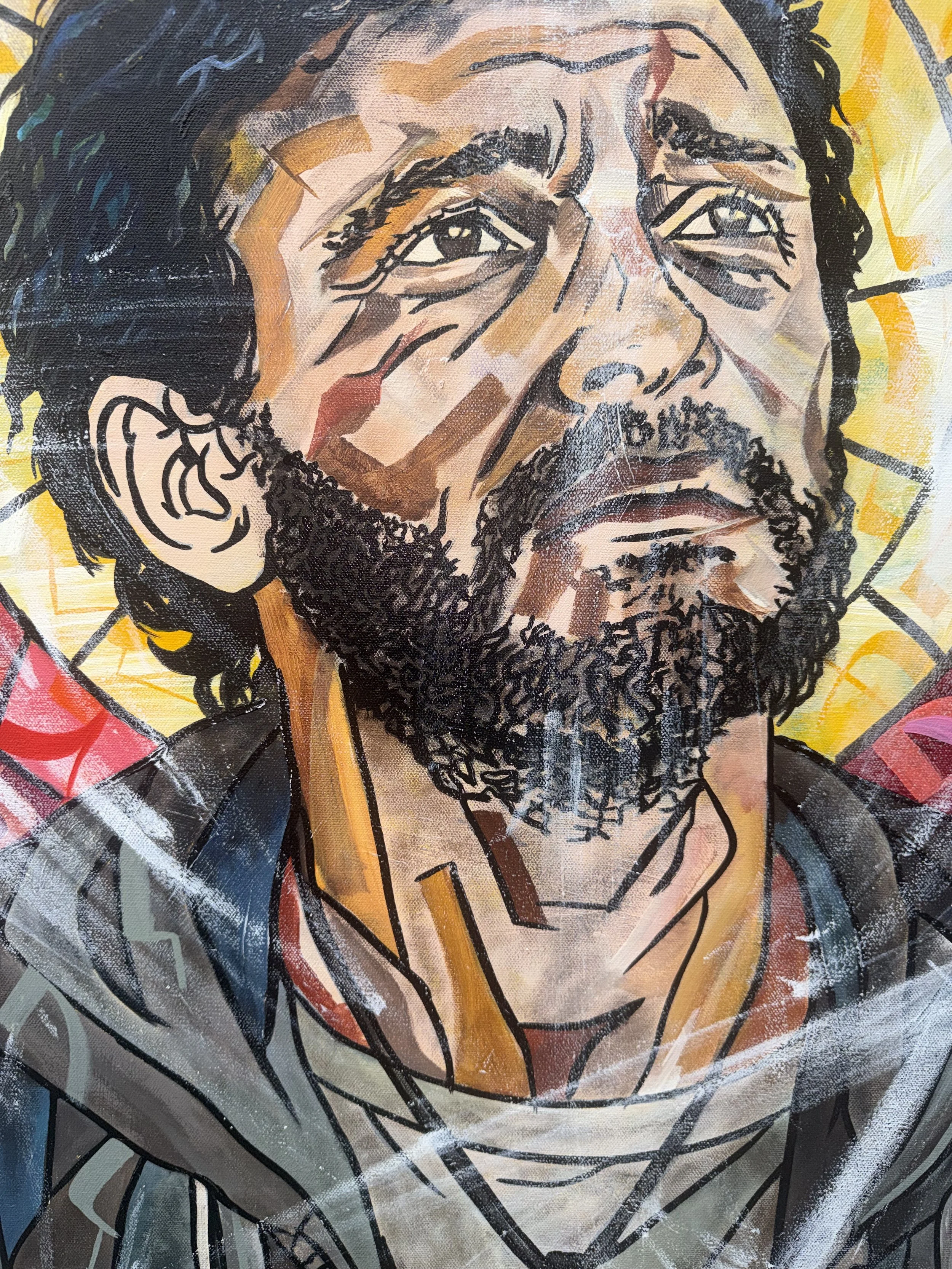
Painting Saint Dismas brings me to a prayer I cannot strengthen with a list of accomplishments. In my series The Redeemed, he holds the possibility of being fully known by God and still received. I find that difficult because I want to arrive with something impressive, something that makes my need less exposed. At the canvas, I am trying to let the unfinished and compromised parts of my life be present without dressing them up. I want to ask Christ to remember me, and begin living now as someone willing to receive the mercy he cannot earn.